Transform Your Property: Key Information On Residential Improvement Projects for Each House Owner
Residents commonly search for ways to improve their living spaces by using renovation services. These projects can range starting with kitchen improvements to full house remodeling. Being aware of the possibilities is vital for deciding wisely. Moreover, one must consider practical considerations like budgeting and choosing the right builder. When property owners embark on this process, they may find themselves facing surprising obstacles. The key to a successful transformation depends on careful planning and execution. What steps should be taken next?
Grasping the Diverse Forms of House Improvement Projects
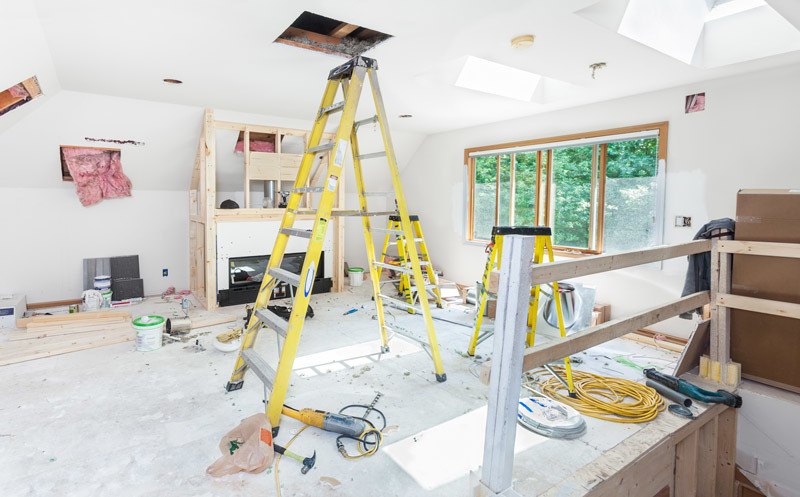
When property owners think about upgrading their homes, they frequently come across a variety of remodeling services tailored to different needs and preferences. These projects are generally grouped into several types, each focusing on particular areas of house upgrades. Kitchen renovations center on updating appliances, cabinetry, and the design to improve usability and visual appeal. Renovating the bathroom usually includes updating the hardware, tiles, and storage solutions for greater ease and design.
Complete residential remodeling includes significant changes throughout the residence, sometimes requiring major structural work to make the most of the space and flow. Exterior remodeling services, on the other hand, concentrate on enhancing the home's outward appearance, addressing siding, roofing, and the yard. Furthermore, specific options like basement finishing and loft remodeling help residents make the most of unused areas. Each type of remodeling service delivers specific perks, letting residents pick services that align with their vision for their living environment. Knowing these variations is vital for choosing wisely throughout the remodeling project.
Setting a Realistic Budget for Your Remodeling Project
How do property owners make certain their remodeling projects remain economically sound? Setting a practical budget is vital. Homeowners should begin by determining their fiscal limits, like savings and available loan choices. This initial step helps establish the amount that can be set aside for the updating project without compromising other financial responsibilities.
Next, homeowners must investigate the expenses linked to their planned updates, taking into account materials, labor, and unexpected costs that frequently occur. Developing a comprehensive priority list helps with distinguishing essentials from desirable features, making it possible to adjust if funds become limited.
It is smart to incorporate a reserve fund, typically around 10-20% of the total budget, to cover unexpected costs. Frequently checking and modifying the budget throughout the remodeling process is also useful for preserving fiscal oversight. Finally, a thoroughly prepared budget ensures the project is feasible but also enhances the overall remodeling experience for those living in the home.
Finding the Best Contractor for Your Requirements.
Selecting the right contractor has a major influence on the outcome of an updating effort. Homeowners should begin by doing comprehensive research, asking for referrals from friends, family, or internet reviews. It is essential to confirm documentation, such as licenses, insurance, and surety bonds, to confirm legitimacy.
Once potential contractors are identified, property owners must ask for comprehensive quotes and schedules, allowing for informed comparisons. Discussions reveal their approach to dialogue and their level of expertise, which are crucial for working together effectively.
In addition, looking at completed jobs through galleries or recommendations shows the builder's standard of work. Property owners must also ask about guarantees or assurances, which shows the professional's belief in their output.
Finally, picking a builder whose approach fits the property owner's ideas, cost plan, and timeframe fosters a more positive remodeling experience, making certain the outcome satisfies needs and changes the space as intended.
Planning and Designing Your Ideal Space.
As homeowners envision their ideal spaces, meticulous organization and deliberate design become essential components of a triumphant renovation effort. The first step involves evaluating current needs and future aspirations, which permits a comprehensive grasp of the room's intended function. Homeowners should consider practicality, aesthetics, and their individual taste, ensuring that the design reflects their individual tastes.
Subsequently, establishing a thorough budget is crucial. This budget should cover materials, labor, and possible unexpected costs. Hiring professional designers can offer helpful perspectives, aiding in maximizing the area while adhering to budgetary constraints.
Integrating components like natural light, open layouts, and eco-friendly supplies can enhance the overall experience. Finally, seeing the project via sketches or digital renderings can assist in finalizing plans prior to construction. When handling the initial design phase deliberately, homeowners can build a comfortable, effective space suited to their way of life.
Understanding Regulations and Permits in Residential Projects
Grasping the intricacies of permits and rules can be challenging for homeowners embarking detailed article on a renovation. Every local government sets particular guidelines that govern what can be done during renovations, typically guided by area restrictions, construction standards, and security requirements. Homeowners must familiarize themselves with local regulations to prevent expensive penalties or construction hold-ups.
Generally, securing permits is essential for significant alterations, such as structural changes or new wiring installations. This process frequently requires submitting blueprints for approval and could involve check-ups at multiple points.
Working with a skilled professional can make this procedure easier, as they are often familiar with local codes and can help manage the documentation. It is important for homeowners to communicate regularly with the city's regulatory body to verify legality throughout the project. By comprehending and working within these rules, homeowners can meet their renovation objectives and maintaining compliance with the law in their renovations.
Frequently Asked Questions
How Much Time is Needed for a Typical Remodeling Job?

The average remodeling job typically spans three to six months on average, depending on the scope of work, size of the home, and supply chain status. Intricate jobs could demand more time for completion.
What are some typical errors that people make throughout the renovation process?
Frequent errors during remodeling include miscalculating costs, not securing the required permissions, missing scheduled deadlines, poor communication with the construction team, and not considering long-term functionality. Awareness of these pitfalls often results in a less stressful, more successful renovation project.
How do I choose the best supplies for my project?
Choosing the right materials requires assessing durability, the look and feel, and financial limits. Looking into different products, consulting professionals, and factoring in how much care they require are vital steps to make smart choices, making sure the renovation matches with personal and functional requirements.
Can I live in my home throughout the construction phase?
It is possible to remain on the premises during renovations, but it could be uncomfortable. Careful planning, maintaining open dialogue with your builders, and designating specific areas for daily use can lessen the stress during the process.
What kind of coverage should be provided by my builders?
You should anticipate receiving warranties covering workmanship, the products installed, and structural components, typically ranging from one to ten years. You must carefully check the fine print and details with contractors to know the full extent of the guarantee and its restrictions.